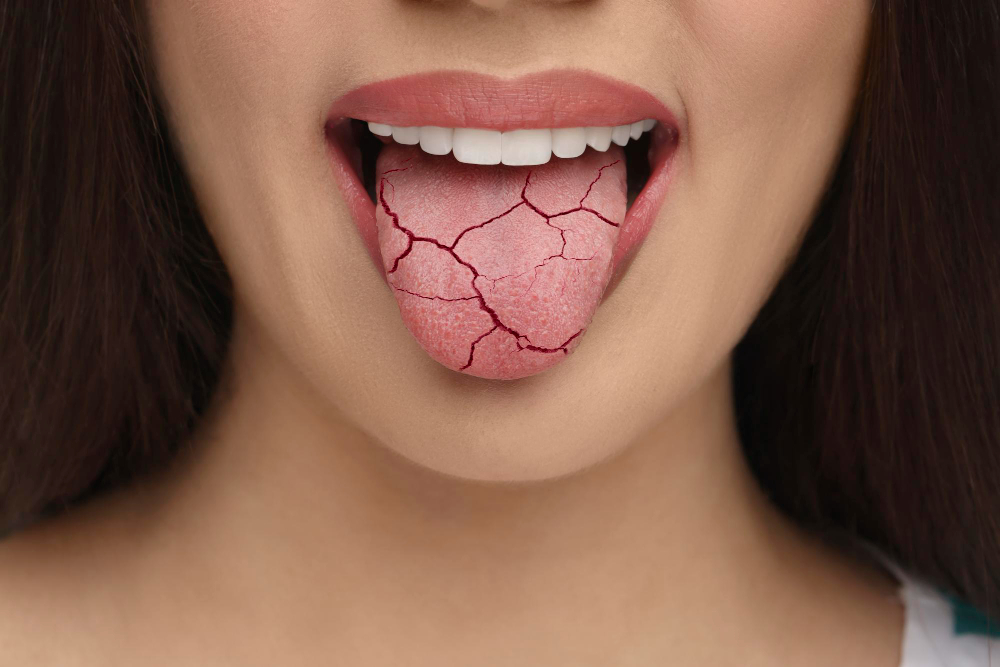
Dry mouth (xerostomia) is a common problem that affects many people. It happens when your mouth does not make enough saliva. Because saliva helps keep your mouth healthy, dry mouth can cause discomfort and even lead to other health issues. Anyone can get dry mouth, but it is more common in older adults and people who take certain medicines. If you notice your mouth often feels dry, you are not alone. Understanding dry mouth is the first step to finding relief.
What Is Dry Mouth (Xerostomia)?
Dry mouth, also called xerostomia, means your mouth feels dry and sticky. This happens when your body does not make enough saliva. Saliva is important because it helps you chew, swallow, and speak. It also protects your teeth from decay. Without enough saliva, your mouth can feel uncomfortable. Over time, dry mouth can lead to problems like tooth decay and gum disease. For this reason, it is important to know what causes dry mouth and how to manage it.
Common Symptoms of Dry Mouth
Dry mouth can cause many symptoms. Some are mild, while others can be more serious. If you have dry mouth, you may notice:
Sometimes, these symptoms can make eating and talking hard. If you notice these signs often, it may be time to seek help.
Causes and Risk Factors
There are many reasons why someone might get dry mouth. Some common causes include:
In addition, older adults are more likely to have dry mouth. This is often because they take more medicines or have health problems that affect saliva production. According to the CDC and the American Dental Association, dry mouth is a common side effect of over 400 medicines.
How Is Dry Mouth Diagnosed?
If you think you have dry mouth, your dentist or doctor can help. First, they will ask about your symptoms and health history. Next, they may check your mouth and teeth for signs of dryness or decay. Sometimes, they may order tests to measure how much saliva you make. In some cases, they may suggest blood tests to rule out other health problems. Early diagnosis can help prevent further issues.
Effective Treatments and Home Remedies
There are many ways to treat dry mouth. Your dentist or doctor will suggest the best option for you. Some common treatments and home remedies include:
For some people, treating the cause of dry mouth can help. For example, if a medicine is causing dryness, your doctor may adjust the dose or switch to another drug. According to the Mayo Clinic, simple steps like sipping water and using sugar-free gum can bring relief for many people.
Tips for Preventing Dry Mouth
While you may not always be able to prevent dry mouth, some habits can help reduce your risk:
By following these tips, you can help keep your mouth healthy and comfortable.
When to See a Dentist or Doctor
If your dry mouth lasts for more than a few days, it is important to see a dentist or doctor. Persistent dry mouth can lead to tooth decay, gum disease, and trouble eating or speaking. In some cases, it may be a sign of a more serious health problem. Early treatment can prevent complications and improve your quality of life.
If you experience persistent dry mouth, consult a dental professional at Sai Sudhanta Dental Clinic for personalized advice.