
Introduction
Many people want a straighter smile. But choosing between invisible aligners and braces can be tough. Are invisible aligners as good as braces? This question matters for anyone considering orthodontic treatment. Both options help straighten teeth, but they work in different ways. In this blog, we will compare clear aligners vs braces to help you decide which is best for you.
How Invisible Aligners Work vs. Braces
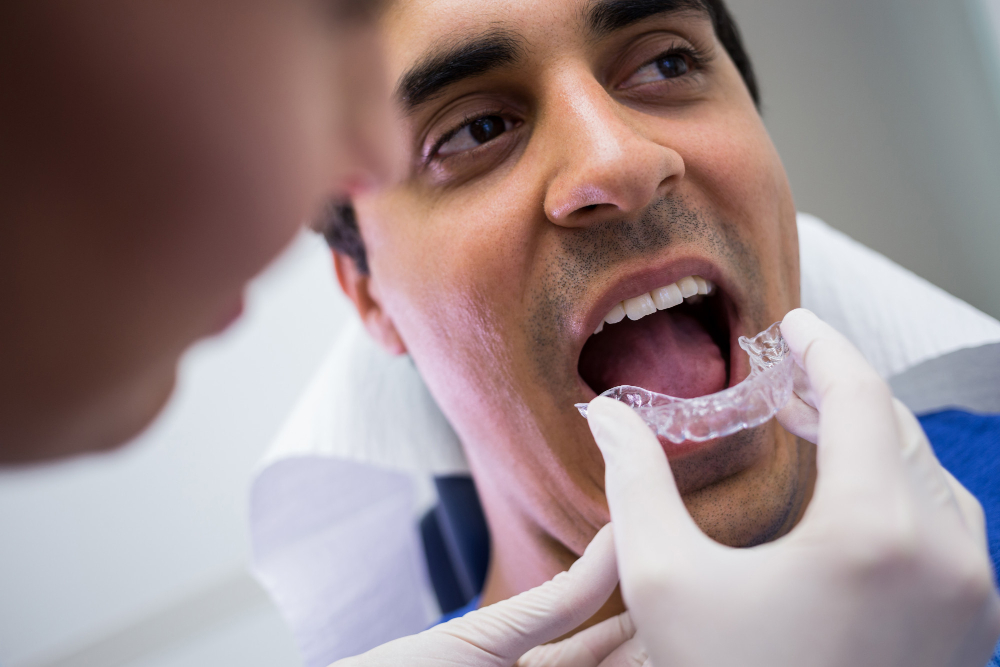
Invisible aligners are clear, plastic trays that fit over your teeth. You wear them for most of the day, but you can remove them to eat or brush. Every few weeks, you switch to a new set that gently moves your teeth. Braces, on the other hand, use metal or ceramic brackets glued to your teeth. Wires connect the brackets and apply steady pressure to shift your teeth over time. While both methods move teeth, braces stay on your teeth all the time. Aligners are removable, which can make daily life easier for some people.
Effectiveness
Both invisible aligners and braces are effective for straightening teeth. However, braces are often better for complex dental problems. According to the American Association of Orthodontists and studies in peer-reviewed dental journals, braces can treat severe crowding, large gaps, and bite issues. Invisible aligners work well for mild to moderate cases. The World Health Organization (WHO) also notes that both options can improve oral health when used correctly. Still, braces may be more reliable for difficult cases.
Comfort and Appearance
Many people choose invisible aligners because they are almost invisible. This makes them popular with adults and teens who want a discreet look. Braces, especially metal ones, are more noticeable. However, ceramic braces are less visible than metal. In terms of comfort, aligners have smooth edges and usually cause less mouth irritation. Braces can sometimes poke or rub against the inside of your mouth. Even so, both options may cause some discomfort, especially after adjustments.
Cost and Accessibility
Cost is an important factor for many families. On average, invisible aligners cost between $3,000 and $7,000. Braces usually range from $2,500 to $7,500, depending on the type and length of treatment. Some dental insurance plans cover part of the cost for both options. However, coverage varies, so it is wise to check with your provider. In many areas, braces are more widely available than aligners. Yet, clear aligners are becoming easier to find in dental clinics and online.
Maintenance and Oral Hygiene
Keeping your teeth clean is important during orthodontic treatment. With invisible aligners, you remove the trays to eat and brush. This makes it easier to clean your teeth and gums. Braces, however, can trap food and make brushing harder. You need to use special tools, like floss threaders, to clean around the wires and brackets. While aligners are easier to clean, you must remember to wear them for at least 20–22 hours a day. Forgetting to wear them can slow your progress.
Pros and Cons
Who Should Choose Which?
Choosing between clear aligners vs braces depends on your needs. If you have mild to moderate crowding and want a discreet look, invisible aligners may be best. But if you have complex dental issues, braces might work better. Your lifestyle also matters. For example, if you often forget things, braces may be easier since you cannot remove them. Always talk to a dental specialist before making a choice. They can help you find the best orthodontic treatment for your smile.
Conclusion
To sum up, both invisible aligners and braces can straighten teeth. Aligners are a good choice for mild to moderate cases and offer comfort and a nearly invisible look. Braces are better for complex dental issues and do not rely on patient memory. So, are invisible aligners as good as braces? For many people, yes. But for some, braces may be the better option. Consult Dr. Vendra Sai Ram to find the best orthodontic solution for your needs.