What Is Teeth Whitening?
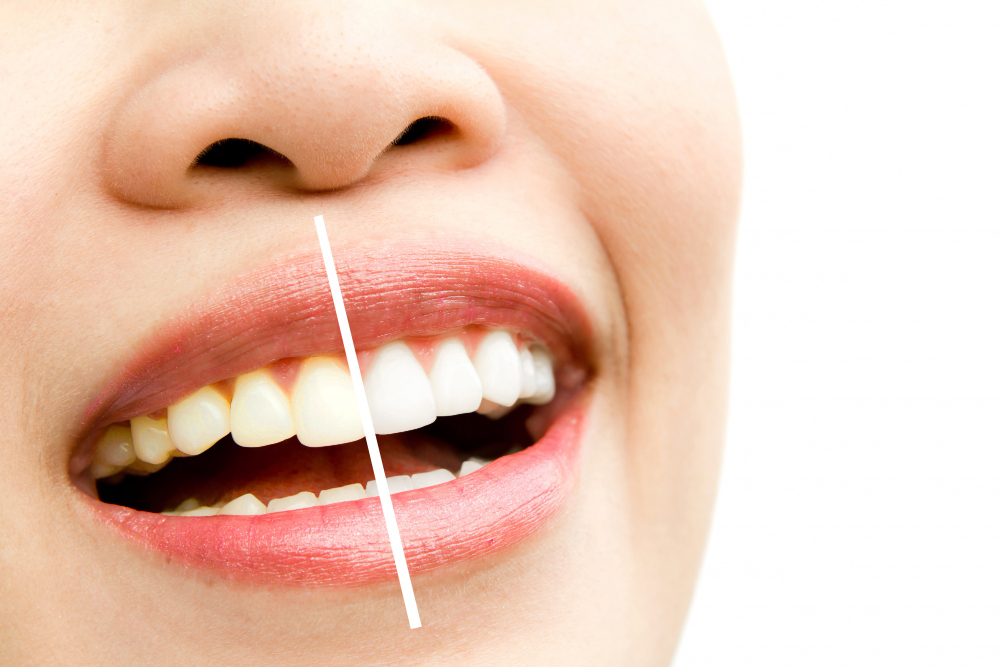
Teeth whitening is a popular way to make your smile brighter. Many people want whiter teeth, so they try different methods. However, not all whitening options work the same. Some are safe, while others may cause harm. Understanding the basics of teeth whitening helps you make better choices. In this blog, we will clear up common myths and share important facts about teeth whitening.
Common Myths About Teeth Whitening
There are many myths about teeth whitening. These myths can lead to confusion or even unsafe choices. Let’s look at some of the most common ones:
Myth 1: Teeth whitening always damages enamel. In reality, dentist-approved whitening is safe when used as directed.
Myth 2: Home remedies like lemon juice or baking soda are always safe. However, these can harm your teeth and gums.
Myth 3: Whitening toothpaste can make your teeth super white. In truth, these products only remove surface stains.
Myth 4: Once whitened, teeth stay white forever. But, results fade over time, especially with certain foods or drinks.
Myth 5: Over-the-counter kits work just as well as professional treatments. Yet, dentist-supervised whitening is often more effective and safer.
Facts About Teeth Whitening
Now, let’s look at the facts. Knowing the truth helps you choose safe teeth whitening options.
Professional teeth whitening uses safe, tested products. Dentists follow strict guidelines to protect your teeth and gums.
Over-the-counter whitening kits can work, but results may be slower or less even. Also, they may not fit your mouth perfectly.
Teeth whitening does not work on crowns, fillings, or veneers. Only natural teeth can be whitened.
Some people may feel tooth sensitivity after whitening. However, this is usually mild and goes away soon.
According to the American Dental Association, dentist-approved whitening is safe for most adults.
Safe Teeth Whitening Practices
For a healthy, bright smile, it is important to follow safe teeth whitening practices. Here are some tips:
Always read and follow instructions on whitening products.
Choose products with the ADA Seal of Acceptance for safety.
Brush and floss daily to keep your teeth clean and healthy.
Limit foods and drinks that stain teeth, like coffee, tea, and red wine.
See your dentist before starting any whitening treatment, especially if you have dental work or sensitive teeth.
Risks and Precautions
While teeth whitening is usually safe, there are some risks. Knowing these helps you avoid problems.
Some people may have gum irritation or tooth sensitivity. These side effects are often mild and temporary.
Using too much whitening product can damage enamel or gums. Always follow the recommended amount.
Homemade remedies, like lemon juice or charcoal, can harm your teeth. It is best to avoid these methods.
If you have cavities or gum disease, whitening may not be safe until these are treated.
When to Consult a Dentist
Sometimes, it is best to talk to a dentist before whitening your teeth. For example, if you have sensitive teeth, dental work, or gum problems, a dentist can help you choose the safest option. Also, if you do not see results or have pain, seek professional advice. Dentists in your area can offer safe, effective teeth whitening that fits your needs.
In summary, teeth whitening can brighten your smile when done safely. However, it is important to know the facts and avoid common myths.
For the best results, consult Dr Vendra Sai Ram for safe and effective teeth whitening options tailored to your needs.