
Introduction
When it comes to improving your smile, you may wonder about dental implants vs braces. Both options help with dental problems, but they serve different needs. Dental implants replace missing teeth, while braces straighten crooked teeth. In this blog, we will compare these two popular choices. You will learn about their uses, benefits, costs, and more. This guide will help you decide which option fits your dental needs best.
What Are Dental Implants?
Dental implants are artificial tooth roots. Dentists place them into your jawbone to support replacement teeth. Usually, they are made of titanium. Over time, the implant fuses with your bone. This creates a strong base for a crown, bridge, or denture. Dental implants look and feel like natural teeth. According to the American Dental Association, they are a safe and long-lasting teeth replacement option.
What Are Braces?
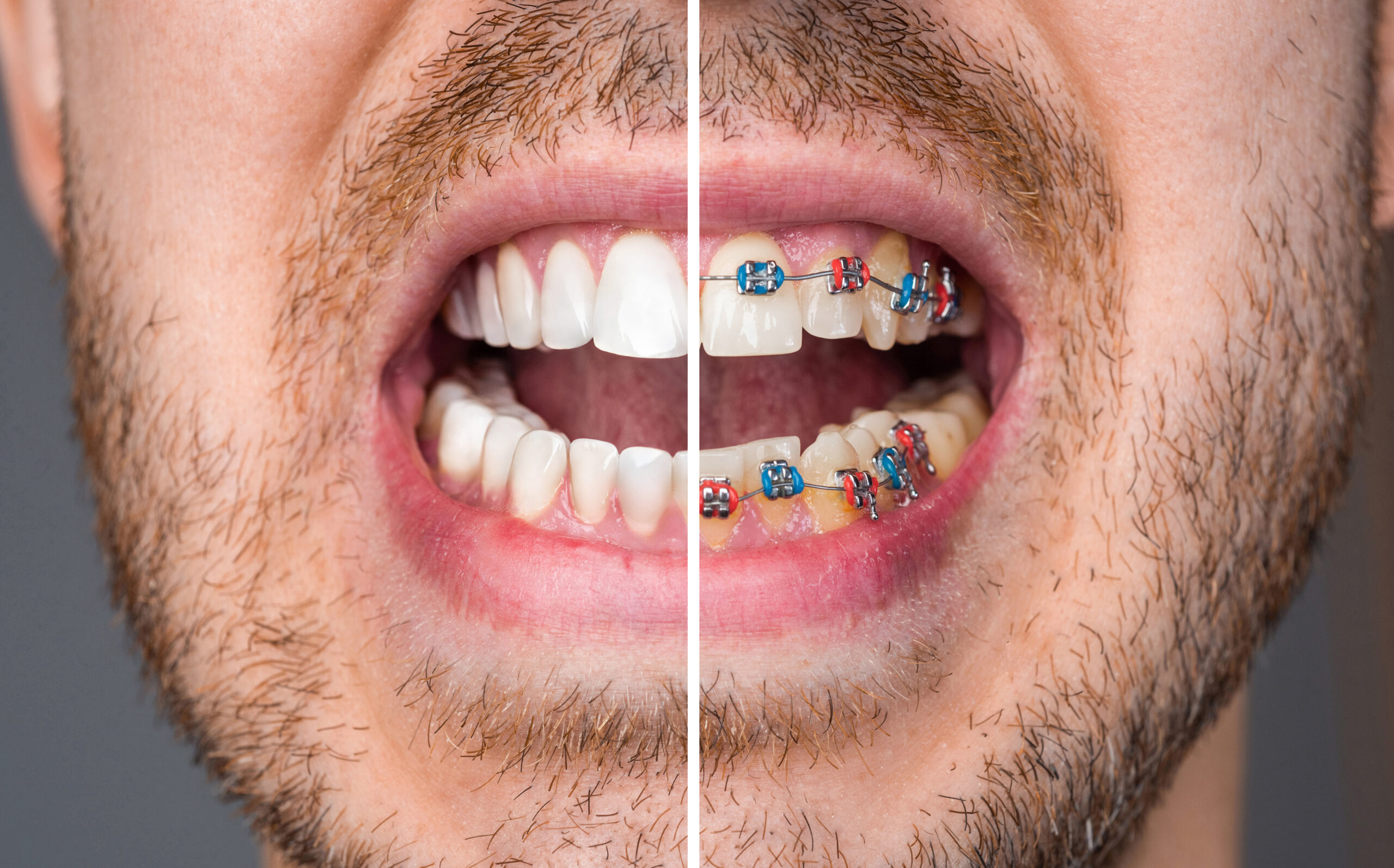
Braces are devices that straighten teeth and fix bite problems. They use brackets, wires, and sometimes bands to gently move teeth into the right position. Braces are not just for kids. Many adults choose braces for a better smile. Orthodontic treatment with braces can take several months to a few years. There are different types, such as metal, ceramic, and clear aligners.
Key Differences Between Dental Implants and Braces
Indications: Who Needs Dental Implants vs Braces?
Not everyone needs the same dental solution. For example, dental implants are best for people who have lost one or more teeth. You need healthy gums and enough bone for the implant to work. On the other hand, braces are ideal for those with crooked teeth, gaps, or bite issues. Braces for adults are common, especially for those who did not get treatment as children. Your dentist or orthodontist will help you decide which option fits your needs.
Procedure Overview for Each Option
Dental Implant Procedure
Braces Procedure
Benefits and Drawbacks of Dental Implants
Benefits and Drawbacks of Braces
Cost Comparison
Cost is an important factor for many people. Dental implants usually cost more than braces. The price for a single implant can range from $3,000 to $5,000. This includes the surgery and the crown. Braces can cost between $3,000 and $7,000, depending on the type and length of treatment. However, dental insurance may cover part of the cost for either option. Always check with your provider before starting treatment.
Recovery and Aftercare
After getting dental implants, you may feel some swelling or discomfort. Most people return to normal activities in a few days. Good oral hygiene is key to keeping implants healthy. With braces, you may feel soreness after adjustments. You must brush and floss carefully to avoid cavities. Your orthodontist will give you tips for cleaning around braces. Both options need regular dental check-ups.
Long-Term Results and Maintenance
Dental implants can last many years, sometimes even a lifetime, with proper care. You should brush, floss, and visit your dentist regularly. Braces give lasting results if you wear your retainer as advised. Without a retainer, teeth may shift back. Both options require commitment to good oral hygiene for the best long-term results.
How to Choose: Factors to Consider
It is important to discuss your needs with a dentist or orthodontist. They will help you choose the best treatment for your situation.
Frequently Asked Questions
Conclusion and Call-to-Action
Both dental implants and braces offer great solutions for different dental needs. While implants replace missing teeth, braces straighten your smile. Each option has its own benefits, costs, and care needs. Therefore, it is important to talk with a dental specialist. They can help you choose the best treatment for your unique situation. For the healthiest smile, always seek professional advice with Vendra Sai Ram before making a decision.