
Introduction
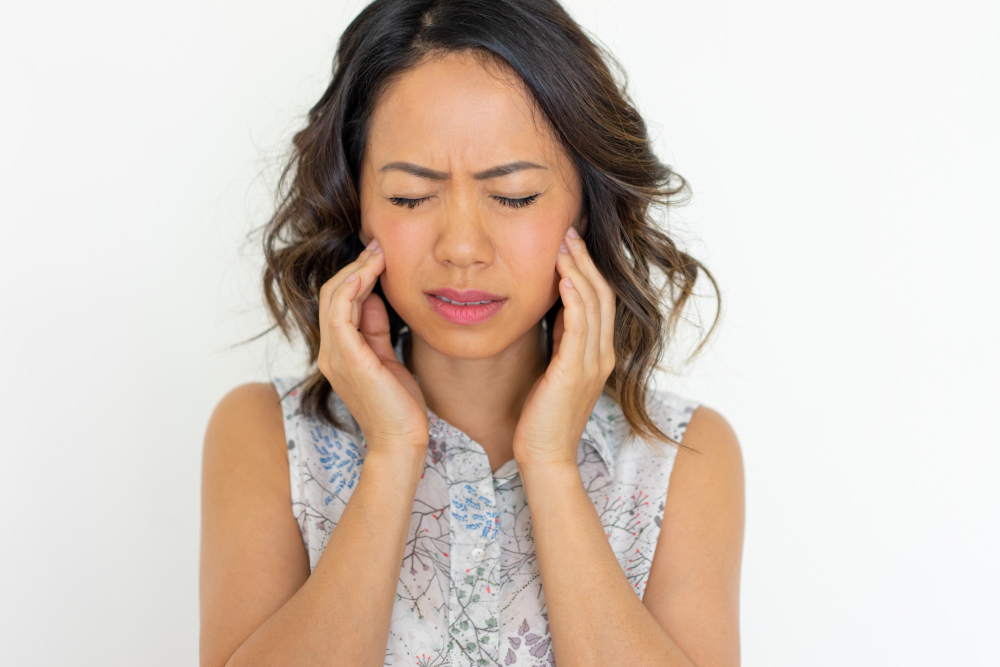
Jaw pain and teeth grinding, also called bruxism, are common problems. Many people clench or grind their teeth, often at night. As a result, they may wake up with sore jaws or headaches. In fact, studies show that about 10% of adults and up to 15% of children have bruxism. Because jaw pain can affect eating, talking, and sleeping, it is important to understand the causes and treatments. This guide explains bruxism, jaw pain, and how you can find relief.
Symptoms of Jaw Pain & Teeth Grinding
Bruxism and jaw pain can cause many symptoms. Sometimes, people do not realize they grind their teeth. However, certain signs can help you notice the problem early. For example, you may experience:
Because these symptoms can also come from other causes, it is important to talk to a dentist for a proper checkup.
Causes and Risk Factors
There are several reasons why people develop bruxism and jaw pain. While stress is a common cause, other factors may play a role. For instance, you may be at higher risk if you:
Sometimes, children grind their teeth as their teeth grow in. Usually, this stops as they get older. However, adults may need help to manage the problem.
Diagnosis
Dentists can identify bruxism and jaw pain during a dental exam. First, they will ask about your symptoms and habits. Next, they will check your teeth for signs of wear, cracks, or loose fillings. They may also feel your jaw muscles for tenderness. In some cases, your dentist may suggest a sleep study to check for nighttime grinding. Because early diagnosis can prevent further damage, it is wise to visit a dentist if you notice any symptoms.
Treatment Options
There are many ways to treat jaw pain and bruxism. Your dentist will suggest the best plan based on your needs. Common bruxism treatments include:
Because each person is different, your dentist may combine several treatments for the best results.
Lifestyle Tips & Prevention
Simple changes can help prevent jaw pain and teeth grinding. For example, you can try these tips:
Because prevention is easier than treatment, these habits can help you avoid future problems.
When to See a Dentist
It is important to see a dentist if you have jaw pain, headaches, or notice signs of teeth grinding. Early care can prevent tooth damage and long-term pain. You should also visit a dentist near you if:
Because dentists are trained to spot and treat bruxism, they can help you find relief and protect your smile.
Conclusion
Jaw pain and teeth grinding (bruxism) can affect your daily life. However, with the right care and lifestyle changes, you can find relief. If you have symptoms, do not wait. Consult your dentist or a specialist at Sai Sudhanta Dental Clinic for personalized advice and effective treatment options.