Introduction
Many people know that snoring and sleep apnea can disturb sleep. However, few realize that these problems can also harm your gums. In this blog, we explore “Snoring & Sleep Apnea: How It Affects Your Gums.” We will explain how these sleep issues can lead to gum disease and other oral health problems. Understanding this link can help you protect your smile and your overall health.
What Are Snoring and Sleep Apnea?
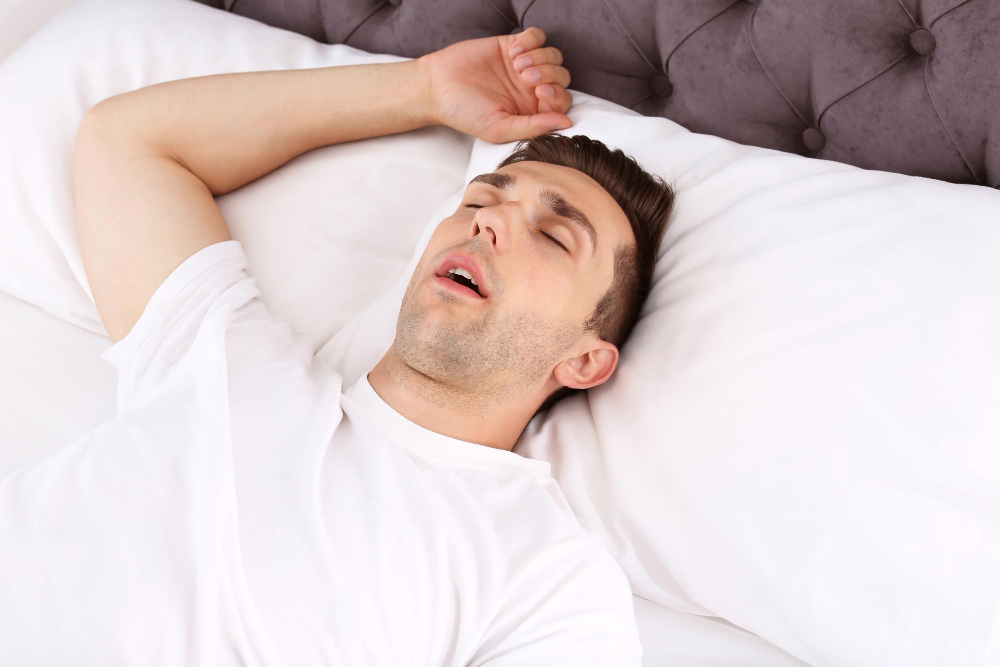
Snoring happens when air flows past relaxed tissues in your throat. This causes the tissues to vibrate and make noise. Sleep apnea is a more serious condition. In sleep apnea, breathing stops and starts many times during sleep. Often, people with sleep apnea snore loudly and feel tired during the day. Both conditions can affect your health in many ways, including your gums.
How Snoring and Sleep Apnea Affect Oral and Gum Health
Snoring and sleep apnea can dry out your mouth. When you breathe through your mouth at night, saliva dries up. Saliva helps wash away bacteria. Without enough saliva, bacteria can grow quickly. This can lead to gum disease and tooth decay. In addition, sleep apnea may lower your body’s ability to fight infections, making gum problems worse.
Common Symptoms and Warning Signs in the Gums
It is important to notice changes in your gums. Early signs can help you get treatment sooner. Look for these symptoms:
If you notice these signs, you should talk to your dentist. Early care can prevent bigger problems.
Causes: Why Do Snoring and Sleep Apnea Impact Gums?
There are several reasons why snoring and sleep apnea can harm your gums. First, mouth breathing dries out your mouth. Second, less saliva means more bacteria and plaque. Third, sleep apnea can cause inflammation in your body. This makes it harder for your gums to heal. Finally, people with sleep apnea may grind their teeth at night, which can damage gums and teeth.
Diagnosis: How Dentists Identify Gum Issues Linked to Sleep Disorders
Dentists can spot signs of gum disease during a checkup. They may ask about your sleep habits and symptoms. Sometimes, dentists notice dry mouth, gum swelling, or tooth wear. If they suspect sleep apnea, they may refer you to a sleep specialist. In some cases, dentists use special tools to measure gum health and check for infection.
Treatment Options: Dental and Medical Approaches
Treating gum problems linked to snoring and sleep apnea often needs a team approach. Here are some options:
With the right care, you can manage both your sleep and gum health.
Prevention and Lifestyle Tips for Healthy Gums
Good habits can help protect your gums, even if you snore or have sleep apnea. Try these tips:
Also, talk to your doctor if you have trouble sleeping or often wake up with a dry mouth.
When to See a Dentist or Sleep Specialist
If you notice gum problems or signs of sleep apnea, do not wait. See a dentist if your gums bleed, swell, or feel sore. If you snore loudly, feel tired during the day, or wake up gasping for air, see a sleep specialist. Early care can prevent serious health issues.
In summary, snoring and sleep apnea can harm your gums and overall oral health. However, with the right steps, you can protect your smile. Consult Dr. Vendra Sai Ram for personalized advice on managing snoring, sleep apnea, and gum health.