
Introduction to Space Maintainers
Space maintainers are special dental devices. Dentists use them to keep a gap open when a child loses a baby tooth early. This gap is important because it holds space for the adult tooth to grow in later. Without space maintainers, nearby teeth may move into the empty spot. As a result, the adult tooth may not have enough room to come in straight. Space maintainers help guide healthy dental growth. According to the American Dental Association, these devices play a key role in children’s dental care.
Importance of Space Maintainers in Children’s Dental Health
Children often lose baby teeth before the adult teeth are ready to come in. When this happens, space maintainers for kids can prevent future dental problems. For example, they stop other teeth from shifting into the empty space. This helps avoid crowding or crooked teeth later. In addition, space maintainers make sure the adult teeth have enough room to grow. Therefore, they can reduce the need for braces or other dental treatments in the future. Healthy spacing supports a child’s bite and smile.
Types of Space Maintainers
There are several types of space maintainers. Dentists choose the best one based on your child’s needs. Here are the main types:
Each type has its own benefits. Your dentist will explain which is best for your child.
When and Why a Dentist Recommends Space Maintainers
Sometimes, a child loses a baby tooth too soon due to decay or injury. In these cases, a dentist may recommend a dental space maintainer. Early loss of baby teeth can cause nearby teeth to shift. As a result, the adult tooth may not have enough space to grow in. Dentists use space maintainers to prevent this problem. They may also suggest them if a child needs to have a tooth removed for medical reasons. In every case, the goal is to protect your child’s future dental health.
How Space Maintainers Are Placed and Maintained
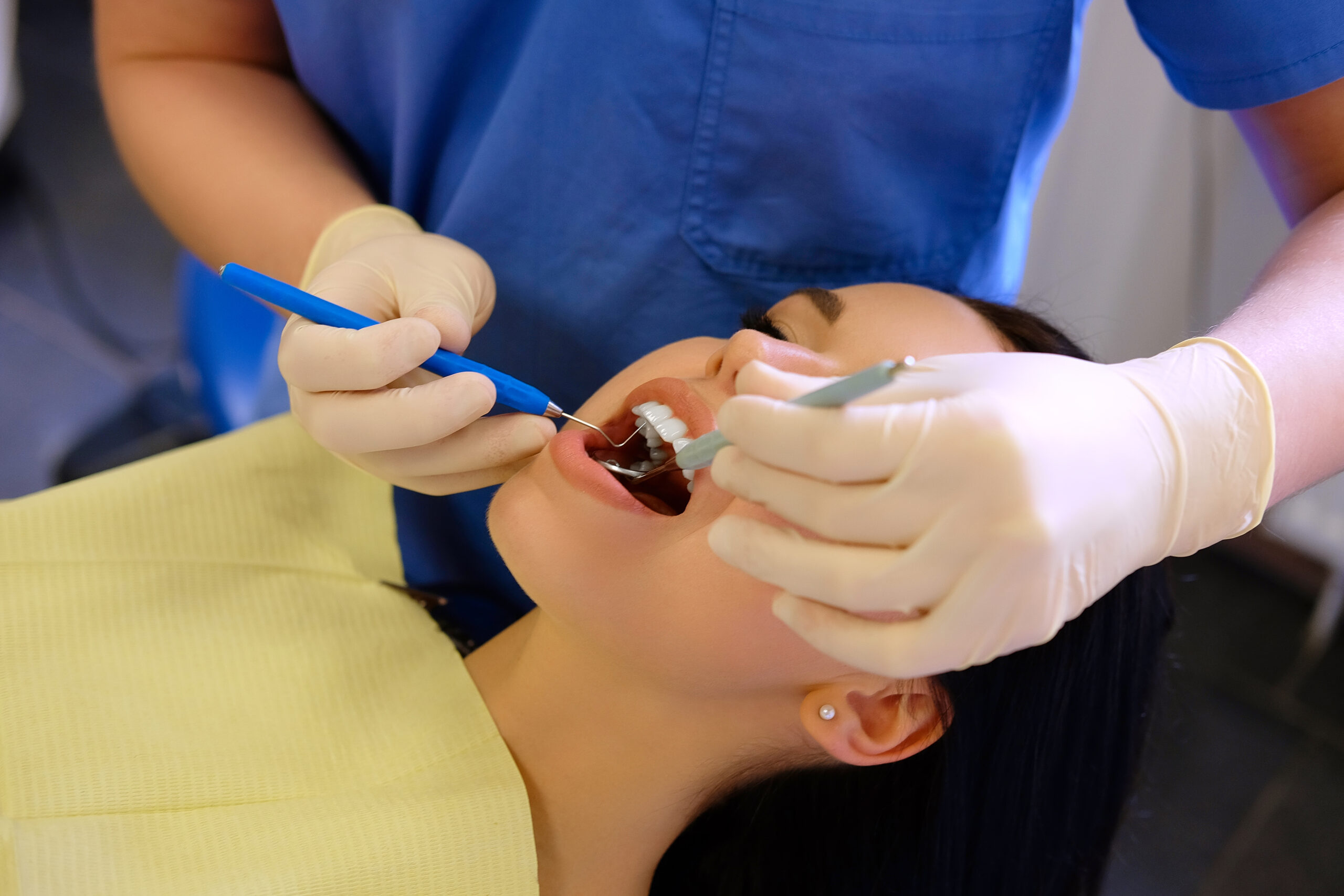
First, the dentist will check your child’s mouth and take X-rays if needed. Then, they will decide which type of space maintainer is best. For fixed space maintainers, the dentist attaches the device to nearby teeth using dental cement. For removable types, the dentist takes a mold of your child’s mouth and creates a custom device. After placement, regular check-ups help ensure the space maintainer stays in place and works well. Good dental space maintainer care is important for success.
Tips for Caring for Space Maintainers at Home
Proper care helps space maintainers last longer and work better. Here are some tips:
With these steps, you can help keep your child’s mouth healthy.
Potential Risks or Complications
While space maintainers are safe, some risks may occur. For example, the device may become loose or break. Sometimes, food can get trapped, leading to gum irritation or cavities. However, regular dental visits and good care can prevent most problems. If your child feels pain or the device seems loose, contact your dentist right away. Early action helps avoid bigger issues.
Prevention and Long-Term Dental Health
Preventing early tooth loss is the best way to avoid needing space maintainers. Encourage your child to brush and floss daily. In addition, regular dental check-ups help catch problems early. If your child does need a space maintainer, following care tips will protect their smile. Over time, healthy habits and dental visits support strong, straight teeth. This can reduce the need for braces or other treatments later in life.
For more information, you can visit trusted sources like the American Dental Association or the World Health Organization.
Consult Dr. Vendra Sai Ram for personalized advice about space maintainers for your child.